Williamsburg's interim city manager proposed a $121 million budget that maintains the current real estate tax rate while hiking the water rate.
The proposed budget - which is 17% higher than last year's proposed $103.3 million - includes $56.03 million for the general fund and $41.63 million for capital improvement projects.
A new downtown library is included in the proposed capital spending plan. Full funding would be restored for street maintenance initiatives, including a repaving program and upkeep of streets in the historic area.
City residents would see no change to the real estate tax rate, which stands at 62 cents per $100 valuation. However, the water rate would increase by 7%, from $6.89 to $7.37 per 1,000 gallons.
Interim City Manager Michele Mixner DeWitt, who was appointed in February, said the water rate increase is necessary to offset the costs involved in utility infrastructure upgrades.
About $20 million would be added to the city's current debt under the plan.
In her budget statement, DeWitt said the city is able to pay for the increased expenditures by tapping into revenue from the higher meals and lodging taxes, the new event admissions tax, higher assessed property values and the utility tax.
Those taxes combined are expected to bring in about $3.2 million in additional revenue, according to DeWitt.
"The FY27 Proposed Budget balances the need to provide excellent services today with the goal of building a resilient, vibrant community for future generations," DeWitt said. "I am grateful for the dedication and expertise of City staff throughout this process, and I look forward to hearing from City Council and the public as we refine the details in the coming weeks."
More funding would also be allocated for Williamsburg-James City County Schools under the plan. The city is proposing a $14.5 million contribution to the school system in the upcoming fiscal year, an increase of $1.8 million over last year.
There are 1,190 City of Williamsburg students currently enrolled in Williamsburg-James City County Schools, according to the budget summary. The city is spending about $12,609 per student.
A total of 14 new full-time positions would be added in the upcoming year, leading to an increase in costs of about $884,000 for the General Fund and $97,000 for the Utility Fund.
The new positions would include a sports tourism coordinator, an assistant park manager, three additional firefighters, three more patrol officers and four Public Works & Utilities employees.
A communications specialist would be added to the City Manager's office to enhance the city's ability "to engage with residents and promote community initiatives."
Two part-time positions are also recommended, including a zoning inspector and an administrative support professional to serve in the Commissioner of the Revenue's office.
Some requests could not be funded this year, according to DeWitt.
The city received funding requests from outside agencies totaling $182,500, of which $148,000 was not accommodated. Several full-time positions requested by city departments will also not be funded, including a grant administrator, a turf manager and an arborist.
Recap
Key components of the budget include:
Maintaining the real estate tax rate of 62 cents per $100 of assessed valuation A water rate increase of 7%, to $7.37 per 1,000 gallons, up from the current rate of $6.89 per $1,000 gallons The addition of 14 full-time positions, leading to $884,000 in new costs for the General Fund and $97,000 for the Utility Fund.
What's Next
The full budget is available for review at williamsburgva.gov/budget.
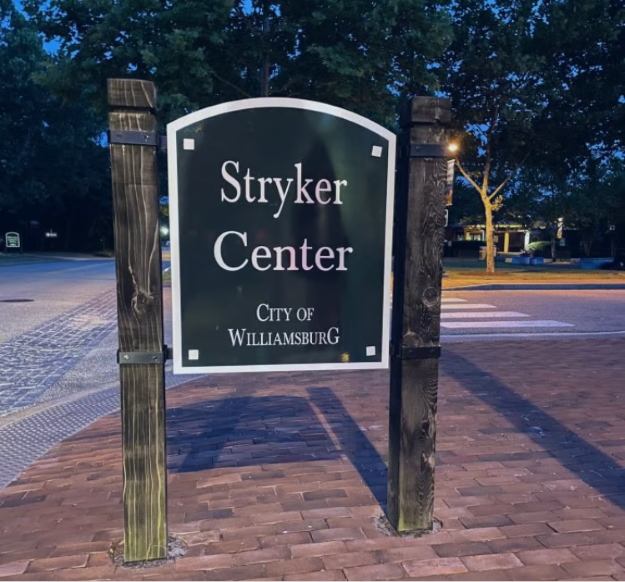
The city will allow public comment on the budget at its regular meetings on April 6 at the Stryker Center at 4 p.m. and April 9 at the Stryker Center at 2 p.m. The Stryker Center is located at 412 N. Boundary St.
Comments can also be submitted directly by emailing the city manager or City Council.
The fiscal year 2027 budget is expected to be officially adopted on May 14. |